Chocolate hampers make a perfect gift, but have you ever wondered where the cocoa that melts in your mouth actually comes from? This article dives into the journey from bean to box, the countries that supply the finest cacao, and what to look for when choosing a hamper that’s both delicious and ethically sourced. By the end, you’ll feel confident picking a chocolate treasure that’s as thoughtful as it is tasty.
The Sweet Journey of Chocolate: From Bean to Box
The Origin of the Cocoa Bean
Cocoa trees thrive in the warm, humid rainforests of the tropics, where they grow to heights that could rival a small building. The beans, encased in pods, are the heart of chocolate. They’re not just random seeds; each bean carries a story of the soil, the climate, and the farmers who tended it. In many ways, the bean is the “musician” of chocolate, setting the tone for the flavor that follows.
The Harvest and Processing
Harvesting is a labor‑intensive affair. Farmers hand‑pick pods at just the right moment to ensure maximum sweetness. Once opened, the beans are fermented for several days—an essential step that develops the complex flavors we love. After fermentation, the beans are dried, cleaned, roasted, and ground into cocoa mass. From there, the journey continues to chocolate factories where the mass is blended with sugar, milk, and cocoa butter to create the final product.
> “The best chocolate is like a good conversation—full of depth and subtlety.” – Unknown chocolatier
Anecdote: I once visited a cocoa farm in Ghana where a farmer handed me a bean and said, “This is the only thing that can make a child smile in a world that’s too busy to notice.” His words still echo in my kitchen whenever I unwrap a bar.
Where Are Chocolate Hampers Sourced From? The Global Map
Major Cocoa‑Producing Countries
When you ask the question “where are chocolate hampers sourced from?” the answer often points to a handful of key regions:
- Ecuador – Known for its fine, buttery beans. Ghana – The world’s largest cocoa producer, famed for robust, earthy flavors. Ivory Coast – Supplies a significant portion of the world’s cocoa, though quality varies. Brazil – Produces a unique, nutty cocoa that pairs well with local ingredients. Indonesia – Offers a distinctive, spicy profile, especially from Sumatra.
These countries contribute roughly 70% of global cocoa production. The rest comes from smaller producers in Madagascar, Cameroon, and other parts of West Africa and Central America.
The Role of Fair Trade and Ethical Sourcing
In recent Anniversary gifts years, the chocolate industry has faced Fair trade chocolate scrutiny over labor practices and environmental impact. Fair Trade certification has become a beacon for consumers seeking transparency. It ensures:
- Fair wages for farmers Sustainable farming practices Community development projects
When a chocolate hamper carries a Fair Trade label, you can trust that the beans traveled a cleaner, kinder path from farm to packaging.
Building a Hamper: From Farm to Packaging
Selecting the Right Chocolates
Choosing the best chocolate isn’t just about picking the most expensive bar. Consider:

- Bean origin – Single‑origin chocolates offer distinct flavor notes. Processing method – Stone‑ground versus conched chocolate can change mouthfeel. Cocoa percentage – Higher percentages often mean richer, more complex taste.
Complementary Extras and Presentation
A great hamper is more than chocolate. Add:
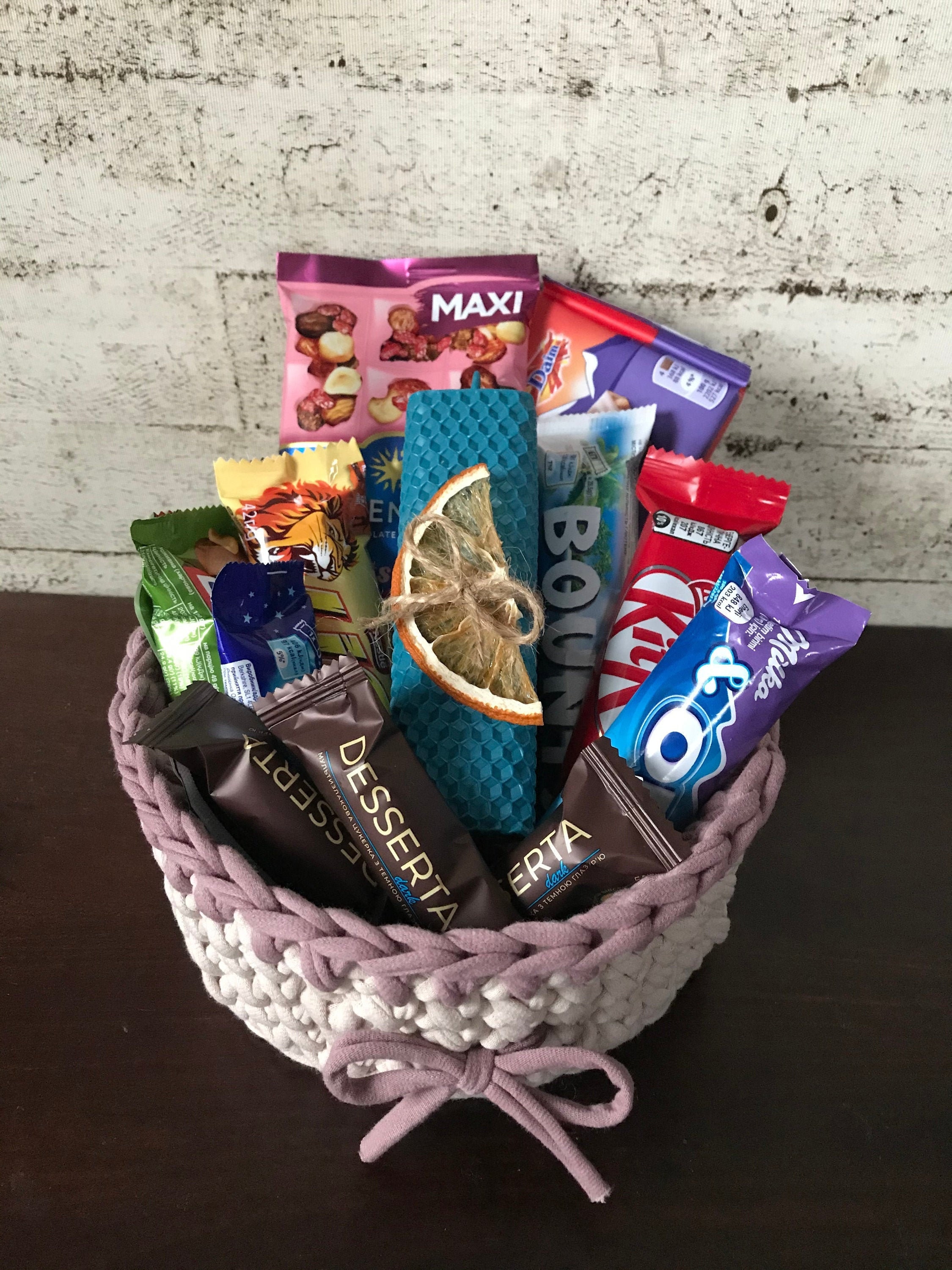
- Local pastries – Croissants, biscotti, or regional sweets. Nuts and dried fruit – Complement the chocolate’s richness. Elegant packaging – A sturdy basket, decorative ribbon, and a handwritten note can turn a simple gift into a memorable experience.
Bullet list of key packaging ideas:
- Recycled cardboard boxes Hand‑stitched canvas bags Wooden gift boxes with a custom label
Choosing a Source: What to Look For
Certifications and Transparency
When searching for a chocolate hamper, look for:
- Fair Trade or Rainforest Alliance certifications Organic labels, indicating pesticide‑free farming Bean‑origin information, sometimes listed on the packaging
These details help you verify that the chocolate truly embodies ethical sourcing.
Taste Profiles and Regional Flavors
Every region brings a unique flavor palette:
- West African beans often have a nutty, earthy base. South American beans tend toward fruity, floral notes. Asian beans can introduce spicy or smoky undertones.
Ask the retailer or check the product description to match your taste preference. For instance, if you enjoy a hint of citrus, a single‑origin from Ecuador might be your sweet spot.
The Final Bite: Making Your Selection Count
Choosing a chocolate hamper is like picking a favorite song—there’s a rhythm, a story, and a reason it resonates. By understanding where the cocoa comes from, what processes shape its flavor, and how ethical considerations play a role, you can make a choice that satisfies both palate and conscience.
Remember the farmer’s words from Ghana: “This is the only thing that can make a child smile.” Let that sentiment guide your gift selection, and you’ll give more than chocolate—you’ll give a piece of the world’s sweetest heritage.
* Ready to pick a hamper that’s as thoughtful as it is tasty?* Explore reputable brands that highlight their sourcing stories, check for certifications, and let your taste buds lead the way. Your recipient will appreciate the care, and you’ll enjoy the knowledge that your chocolate journey was both delicious and responsible.